
Best Lithium Batteries for Golf Carts in South Africa

Electric golf carts are becoming far more popular in South Africa, from residential estates to golf courses and industrial parks. As these carts take on more daily tasks, many owners are looking for better performance, faster charging, and longer battery life.
This is where lithium batteries for golf carts have become the leading upgrade. They offer stronger power, longer lifespan, and simpler maintenance compared to traditional lead-acid batteries.
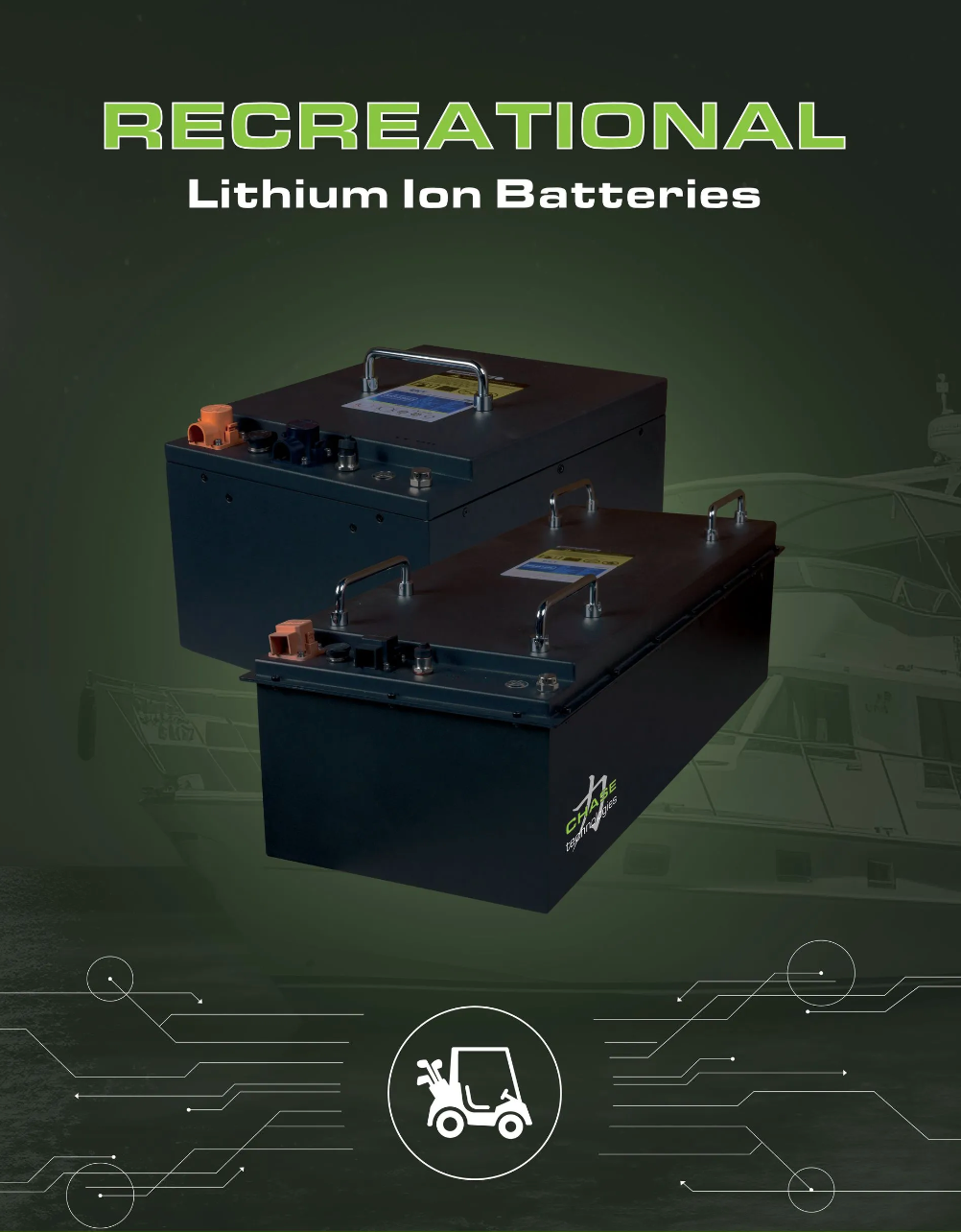
High-quality product images on this topic should include close-up photos of lithium battery packs, professionally installed setups, and a top-down view of a golf cart with the battery compartment open. These images help customers understand what the upgrade looks like in real life.
This guide breaks down everything you need to know before making the switch and shows why more South Africans are choosing lithium technology to power their carts.
What Are Lithium Batteries for Golf Carts
Lithium golf cart batteries are advanced rechargeable batteries designed to replace older lead-acid batteries. They use lithium iron phosphate chemistry, which delivers steady power, faster charging, and exceptional durability. A standard lithium golf cart battery is lighter, safer, and more efficient, making it ideal for both recreational and heavy use.
Where lead acid batteries lose voltage as they discharge, lithium batteries maintain consistent performance until the charge is nearly empty. This means your golf cart drives the same at 90 per cent battery as it does at 40 per cent battery. It creates a much smoother driving experience.
These batteries also pair well with modern chargers and battery management systems, which improve safety and help monitor performance.
For users interested in exploring available models, it is helpful to browse the full lithium battery range offered locally.
Benefits of Upgrading to Lithium Batteries
Lithium technology offers several meaningful advantages that instantly improve how a golf cart performs. Most cart owners feel the difference on the very first drive after installation.
Longer lifespan
Lithium batteries last dramatically longer than lead-acid batteries. While a typical lead-acid battery lasts around 3 to 4 years, a high-quality lithium battery can last 8 to 12 years with normal use. This long service life reduces replacement costs and provides far more value over time.
Faster charging
Lithium batteries accept faster charging currents. While a lead-acid battery may take 8 to 10 hours to reach full capacity, lithium batteries can often recharge in 2 to 4 hours. This makes them perfect for busy estates, golf courses, and workplaces where carts must be ready throughout the day.
Improved performance
Power delivery is steady and strong. You do not experience sluggish acceleration when the battery drops below 50 per cent. Lithium batteries keep voltage stable, producing a smoother and more responsive ride.
Zero maintenance
There is no topping up water or checking acid levels. Lithium batteries are sealed units that require almost no ongoing maintenance besides normal inspection.
Lightweight build
Lithium batteries weigh far less than lead-acid batteries. Lighter weight reduces strain on the cart’s motor and improves handling and efficiency.
More usable energy
You can safely use most of a lithium battery’s capacity without damaging it. Lead-acid batteries can only use around half of their rated capacity before performance drops. Lithium batteries give you more range per charge.
For a deeper comparison between chemistries, see externally verified research on battery life expectancy and performance standards from NRCan: https://nrcan.gc.ca.
How Long Do Lithium Golf Cart Batteries Last
One of the strongest selling points for lithium batteries for golf carts is their long operational lifespan. Most quality lithium batteries deliver between 2,500 and 5,000 charge cycles. A single cycle means charging from empty to full. For a golf cart used a few times per week, this equates to eight to twelve years of real-world use.
By comparison, lead-acid batteries deliver only around 300 to 500 cycles before noticeable decline. This gap means lithium batteries offer better value even though the upfront investment is higher.
Lithium batteries also degrade far more slowly. Even after thousands of cycles, most retain around 80 per cent of their capacity, keeping your golf cart reliable for many more years.
High-resolution lifespan charts, performance graphs, and cycle comparison images can help customers understand the long-term value clearly.
How to Choose the Right Lithium Battery for Your Golf Cart
Choosing the right battery depends on the size of your cart, the terrain you drive on, and your expected daily usage. Here are the core considerations.
Voltage
Most golf carts use 36-volt or 48-volt battery systems. Always match your lithium battery system to your cart’s voltage requirements. Upgrading voltage without proper configuration can damage the motor or controller.
Capacity
Battery capacity is measured in amp-hours. Higher amp-hour batteries provide longer driving time. A standard 50 to 100 amp-hour lithium battery suits most golf carts for everyday use. Heavier or commercial carts may require more.
Chemistry type
Lithium iron phosphate is the recommended chemistry for golf carts. It is stable, safe, and long-lasting.
Battery management system
A built-in BMS protects the battery from overheating, short circuits, and overcharging. Always choose a model that includes an advanced BMS for safety.
Brand reputation
Choose brands backed by local support and real warranties. High-performance batteries should always come from trusted suppliers with experience in power solutions.
For South African buyers, comparing models on the ChaseTech website is a practical starting point.
Installation and Compatibility
Lithium batteries are generally easy to install, but professional installation is recommended to ensure correct wiring, controller compatibility, and charging setup.
Most carts with lead-acid batteries can be upgraded without major modifications. Skilled technicians simply remove the old batteries, install the lithium battery pack, secure the wiring, and configure the charger.
Images showing before and after installations help potential customers visualise the process.
When upgrading:
• Use a lithium-compatible charger
• Ensure correct voltage match
• Test the cart under load before use
Lithium batteries also free up space due to their compact size. This reduces weight and improves handling immediately.
Maintenance and Safety Tips
Lithium golf cart batteries require minimal maintenance, but following a few simple guidelines will keep them performing at their peak.
Avoid exposing the battery to extreme heat for long periods. Store the cart under shade where possible.
Use only approved lithium smart chargers to avoid overcharging.
Charge the battery after each use to maintain optimal cycle life.
A visual safety label or maintenance chart can be included as an image asset to support customer understanding.
External safety guidelines are available from the Battery University knowledge base: https://batteryuniversity.com.
Why Buy Lithium Batteries for Golf Carts from ChaseTech
ChaseTech is known in South Africa for supplying high-quality power solutions that are built for performance and reliability. Customers choose ChaseTech because:
• The lithium batteries are sourced from trusted brands
• The team provides expert guidance on choosing the right model
• Support, warranties, and after-sales service are local and reliable
• Products are designed for African conditions and demanding use cases
Customers looking to explore available options can view the full range or contact our team for personalised recommendations.
Conclusion
Upgrading to lithium batteries for golf carts is one of the smartest investments for any golf cart owner. They last longer, charge faster, deliver stronger performance, and reduce maintenance headaches.
Whether you are driving around a golf course, an estate, or a commercial environment, lithium technology provides a smoother and more efficient experience.
CTA: Contact ChaseTech to find the perfect lithium battery for your golf cart.